

The Achievements and Limitations
One of the greatest strengths of digital activism is its ability to spread information rapidly on certain issues that affect society at large. Through videos, photographs, and live updates, activists can draw attention to crucial events that would otherwise go unheard and unseen. This form of citizen journalism has played a particularly important role in places where mainstream media faces political pressure; countries like Eritrea, Djibouti, Egypt, Sudan, and Ethiopia still face state censorship, arbitrary detentions of journalists, and severe crackdowns on dissent, according to an article by Business Insider Africa.
Digital activism has also proven effective in fostering solidarity and encouraging public participation in offline demonstrations. There is an undeniable harmony that is created from the confines of hashtags and reposts that directly contribute to the decisions made that bring about change in society. The invention of the internet has fueled the development of humankind, making connectivity the single most important factor in improving civilization.
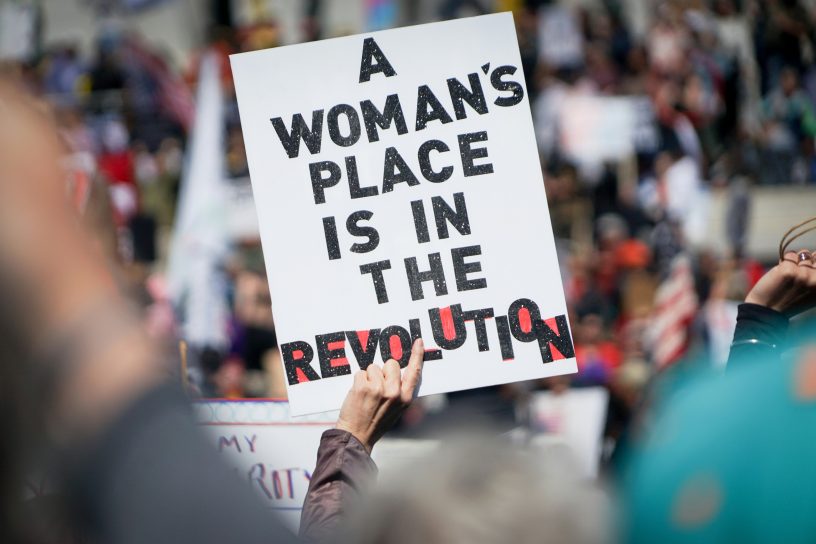
The rise of digital activism has enabled women to speak openly about experiences that were once silenced by stigma or ignored by institutions. Campaigns against sexual violence, workplace harassment, and gender discrimination have encouraged survivors to share their stories and demand accountability. In doing so, digital activism has expanded public conversations around women’s rights while challenging cultural norms that have often discouraged survivors from speaking out.
Despite these achievements, digital activism still faces some limitations. In several African countries, authorities have responded to online mobilization with internet shutdowns, social media restrictions, surveillance, and the arrest of activists and journalists, for example, the youths and environmentalists behind #StopEACOP who were arrested in Kampala in April last year. The activists who were protesting peacefully at Stanbic Bank and KCB were charged with “nuisance on roads” and held for months in jail without bail.

Women activists, journalists, politicians, and content creators frequently experience gender-based online harassment, including misogynistic abuse, threats of sexual violence, cyberbullying, and coordinated intimidation campaigns. Such attacks are often designed to silence women who participate in public discourse, revealing that the struggle for digital rights is also a struggle for gender equality. Without stronger protections, many women continue to face barriers to participating fully in digital activism.
The spread of misinformation and disinformation presents another challenge. The rate in which information is spread online makes it very easy for false narratives and twisted facts to downplay activism efforts. With this in mind, it is extremely important for social media users to verify what they consume and claim to trust online.
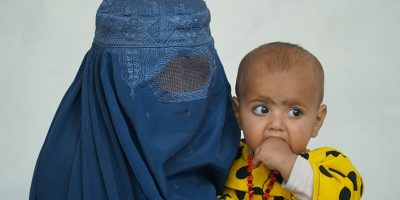
Furthermore, digital activism has been concentrated in urbanized areas, where most of the connectivity and mainstream media are available at large. As a result, women in rural communities and marginalized groups are often excluded from important discourse that may directly affect them.
The Future
To improve the effectiveness of digital activism, activists, governments, technology companies, and civil society organizations must invest in digital and media literacy so that citizens can critically engage with online content and identify misinformation. These efforts should pay particular attention to women and girls, many of whom continue to face barriers to accessing safe and inclusive digital spaces.
According to the Mobile Gender Gap Report 2024, women in Sub-Saharan Africa are 32% less likely than men to use mobile internet, limiting their ability to participate in online activism and civic discourse. Even when women are connected, safety remains a concern. UNESCO reports that 73% of women journalists have experienced online violence, highlighting the urgent need to create digital spaces where women can engage freely without fear of harassment or intimidation.
In Sherif Ogundele’s words, digital activism in Africa should be complemented by offline organizing. A sustainable movement often requires community, policy advocacy, legal action, and resource mobilization in addition to online campaigns. The action on the ground helps translate awareness into concrete outcomes that develop societies.
Digital security is also very essential in digital activism. As Africa’s digital space continues to grow and attract international attention, it is crucial now for activists and organizations to receive training on online privacy, data protection, and cybersecurity to reduce vulnerability to surveillance, hacking and harassment. Civil society organizations and technology companies can play an important role in supporting these efforts.
Finally, improving internet accessibility and affordability across Africa would make digital activism more inclusive. The more different experiences and perspectives connect online, the more diverse discourse and innovative ideas can be shared.
To quote from Kargbo J.A. (2022) Diminishing African Traditional Systems of Communication: Perception of a Lis Profession, “Through the media of communication the private experiences of the individual are made public and contribute to the common world picture.”
Africa’s future will not be shaped solely by those who hold political offices or own media institutions, but also by those who influence conversations online. Through digital activism,
Africans are documenting history in real time, preserving collective memory, and demanding accountability from those in power. For women in particular, these platforms have become spaces to challenge patriarchal systems, build communities of solidarity, and advocate for lasting social change. If future generations inherit not only stronger digital infrastructure but also safer, more inclusive digital spaces, then Africa’s revolution will not simply be watched, it will continue to be lived, shared, and carried forward by the people who refuse to remain silent.
Contributor(s): Mariam Hassan
